Japanese Culture & Traditions
From the meditative calm of a tea ceremony to the explosive drama of a sumo bout — Japan's living cultural traditions are among the world's most extraordinary.
Where Ancient Traditions Meet Modern Life
Japan's cultural traditions aren't preserved under glass in museums — they are living, breathing parts of everyday life. Shinto shrines and Buddhist temples are visited daily by millions. Tea ceremony is practiced in schools and community centres. Traditional crafts from lacquerware to pottery are still made by masters using centuries-old techniques.
Understanding Japan's cultural values — concepts like wa (harmony), wabi-sabi (the beauty of imperfection), omotenashi (selfless hospitality), and ganbaru (perseverance) — transforms a visit to Japan from a tour of landmarks into a profound encounter with one of humanity's richest civilisations.
Cultural Experiences to Seek Out
Tea Ceremony (Chado)
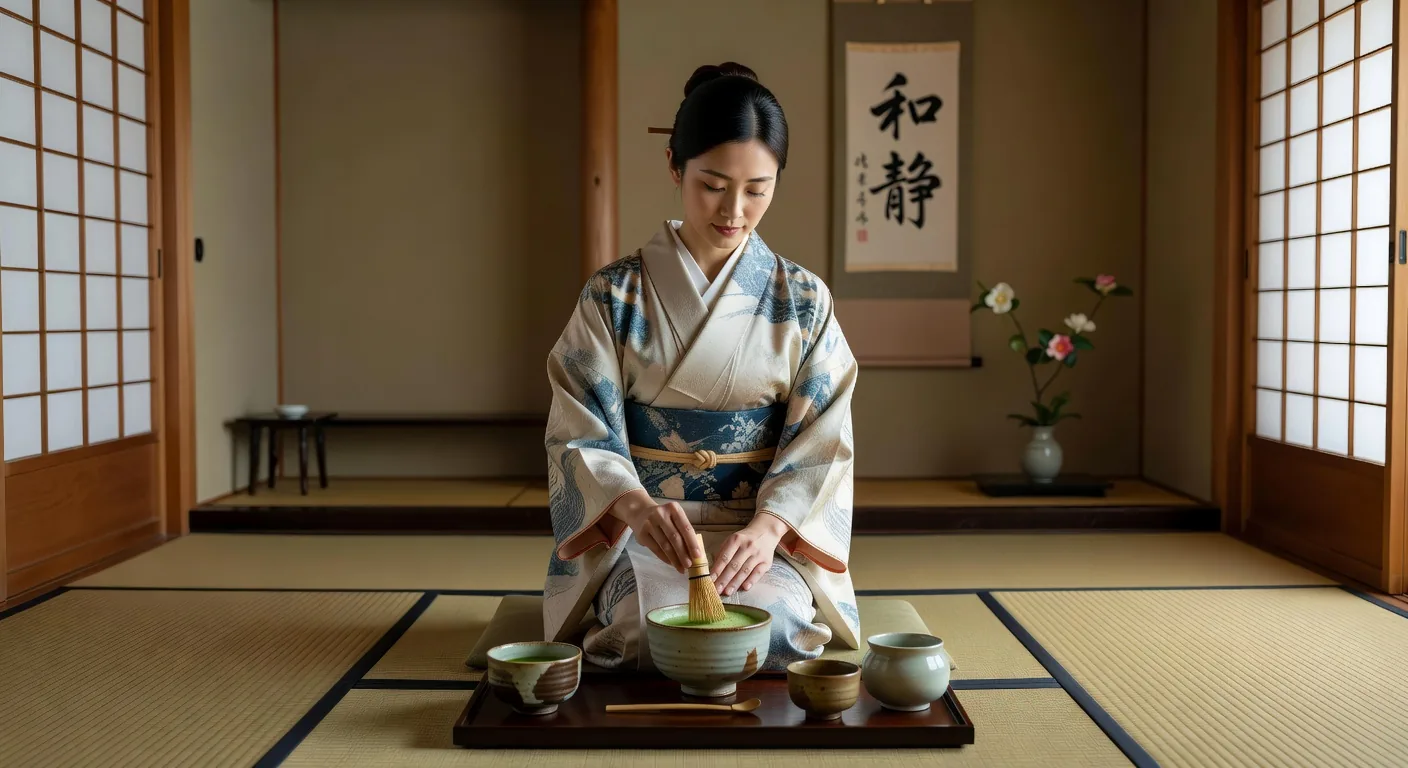
The Way of Tea is a profound meditative practice that has been refined over 500 years. Participating in a full ceremony in Kyoto or Tokyo is a deeply moving experience — not just drinking matcha, but a philosophy of presence and mindfulness.
Kimono Culture
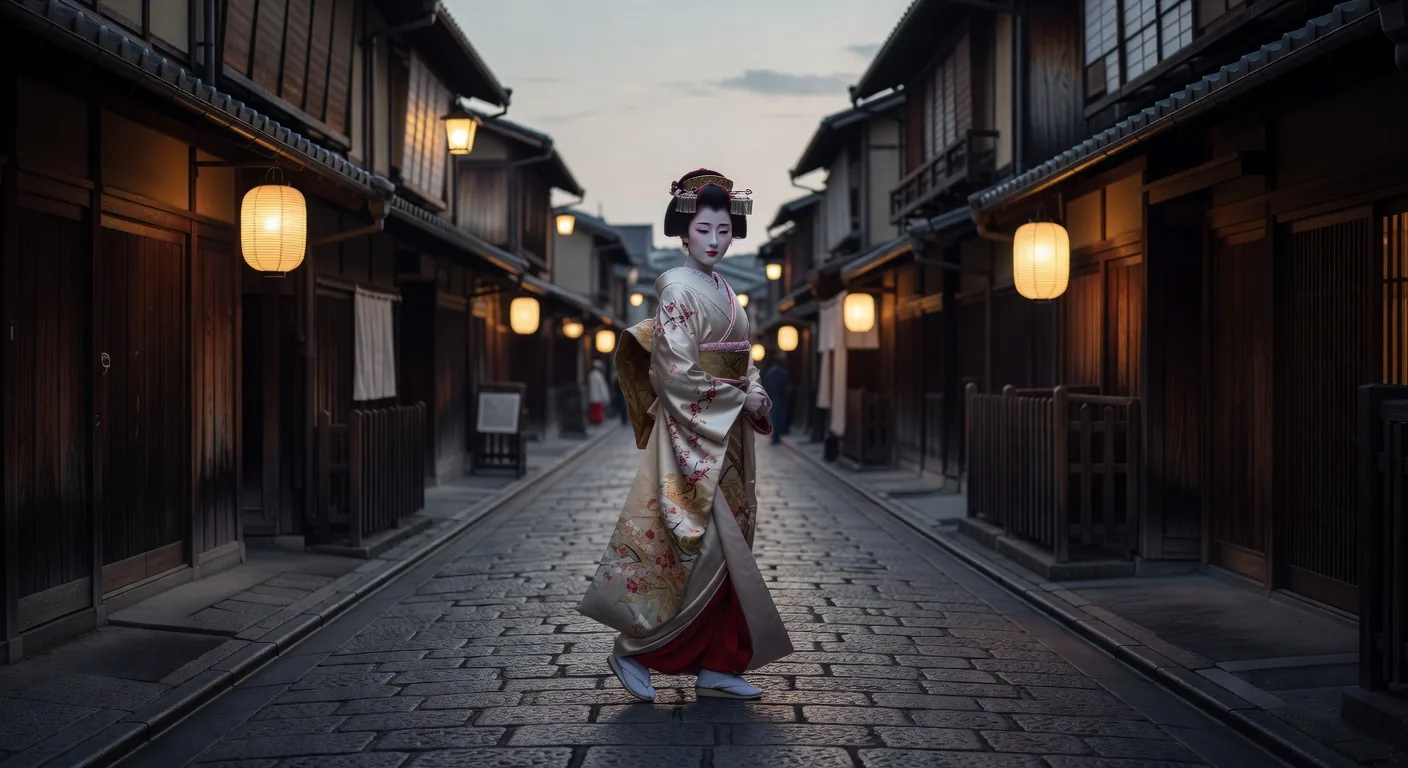
The kimono is Japan's most recognisable traditional garment. Rental kimono shops throughout Kyoto, Nara, and Tokyo allow visitors to dress in beautiful silks and stroll historical streets — a magical way to connect with the culture.
Ikebana (Flower Arranging)
Japanese flower arranging is a centuries-old art form that follows precise schools of composition — Ikenobo, Sogetsu, Ohara. Many cultural centres offer beginner workshops in English.
Martial Arts (Budo)
Judo, kendo, aikido, karate, jujutsu — Japan's martial arts traditions offer profound physical and philosophical disciplines. Visitor-friendly dojo experiences are available in Tokyo, Osaka, and Okinawa.
Noh & Kabuki Theatre
Two of Japan's most dramatic theatrical traditions — Noh's austere, mask-based drama stretches back to the 14th century, while Kabuki's vibrant, all-male performances have been captivating audiences since the 17th century.
Calligraphy (Shodo)
The Way of Writing — Japanese calligraphy is considered a visual art as much as a writing practice. Short workshops in brush technique are available across Japan and make wonderful souvenirs (of the experience, not just paper).
The Ancient Art of Sumo Wrestling
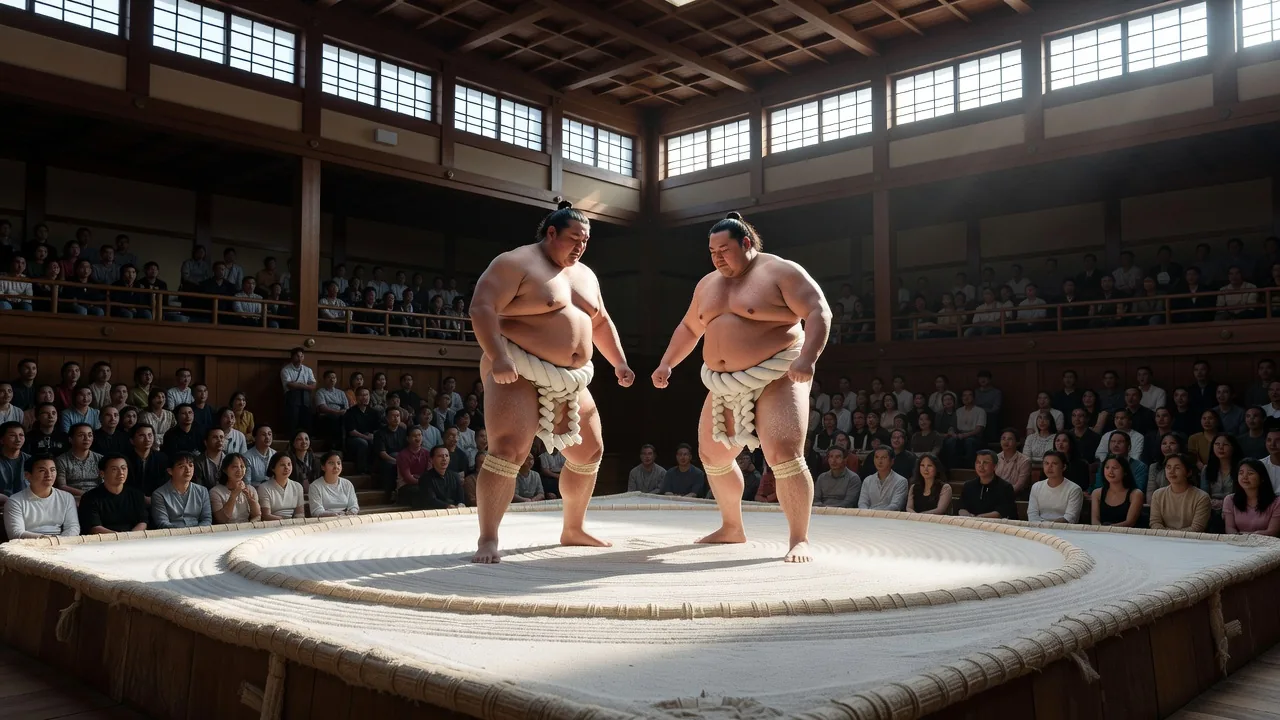
Sumo is one of the world's oldest and most ceremonially rich sports — a Shinto ritual as much as a competition. The pre-bout ceremonies involving salt purification, foot stomping (shiko), and the toss of salt to purify the sacred ring (dohyo) are as captivating as the bouts themselves, which typically last only seconds.
Six Grand Tournaments (honbasho) are held each year across Japan — January, May, and September in Tokyo (Ryogoku Kokugikan); March in Osaka; July in Nagoya; November in Fukuoka. Attending a tournament is one of Japan's greatest spectator experiences, with tournaments running from 8am to 6pm over 15 days.
🎟️ Getting Tickets
Tickets sell out for popular middle-weekend days — book at least 2–3 months in advance via the Japan Sumo Association website. Cheap same-day "free seat" tickets are usually available from 8am on the day for ¥2,200 — you'll be watching from elevated unreserved seating, but it's an authentic experience.
Cultural Do's and Don'ts in Japan
👟 Shoes On / Shoes Off
Remove shoes when entering homes, traditional restaurants, some museums, and all tatami rooms. Look for a genkan (entrance step) and a row of slippers as your cue. Never step on a tatami mat with shoes or even socks from outdoors.
🚇 Quiet on Transit
Keep voices low on trains, avoid phone calls, set your phone to manner mode (silent), and do not eat on local trains or the subway (Shinkansen is fine). This rule is taken very seriously.
🤝 Bowing
The Japanese bow in greeting, thanks, and apology — the deeper the bow, the greater the respect. As a visitor, a gentle nod or 15-degree bow is perfectly appreciated and appropriate. Handshakes are also fine in business contexts.
♨️ Onsen Etiquette
Wash thoroughly at the shower stations before entering the bath. Tattoos are prohibited in most traditional onsen (check in advance). Towels go on your head, not in the water. No swimming — onsen are for quiet, meditative soaking. Keep voices low and mobile phones away.
🏯 Temple & Shrine Respect
At Shinto shrines, bow twice, clap twice, make a silent wish, and bow once more (the 2-2-1 ritual). At Buddhist temples, incense smoke is said to purify — waft it towards yourself. Photography is generally fine outdoors but check signage before photographing inside buildings.
💴 Cash Culture
Japan remains heavily cash-based in many contexts — rural areas, small restaurants, vending machines, and many traditional establishments. Always carry ¥10,000–20,000 in cash. 7-Eleven ATMs reliably accept international cards.